
Consumers expect consistent baking quality in their food products.
From crusty loaves and pre-sliced bread to pastries and cakes, flavour, texture and colour should be consistent.
Maintaining these standards is challenging because the baking process involves many variables; quality of raw materials, issues with equipment, and human error can all lead to inconsistencies and costly wastage.
Predictive quality control systems use Artificial Intelligence (AI) and Machine Learning (ML) models to improve both quality and consistency, but how does this emerging technology compare with traditional methods?
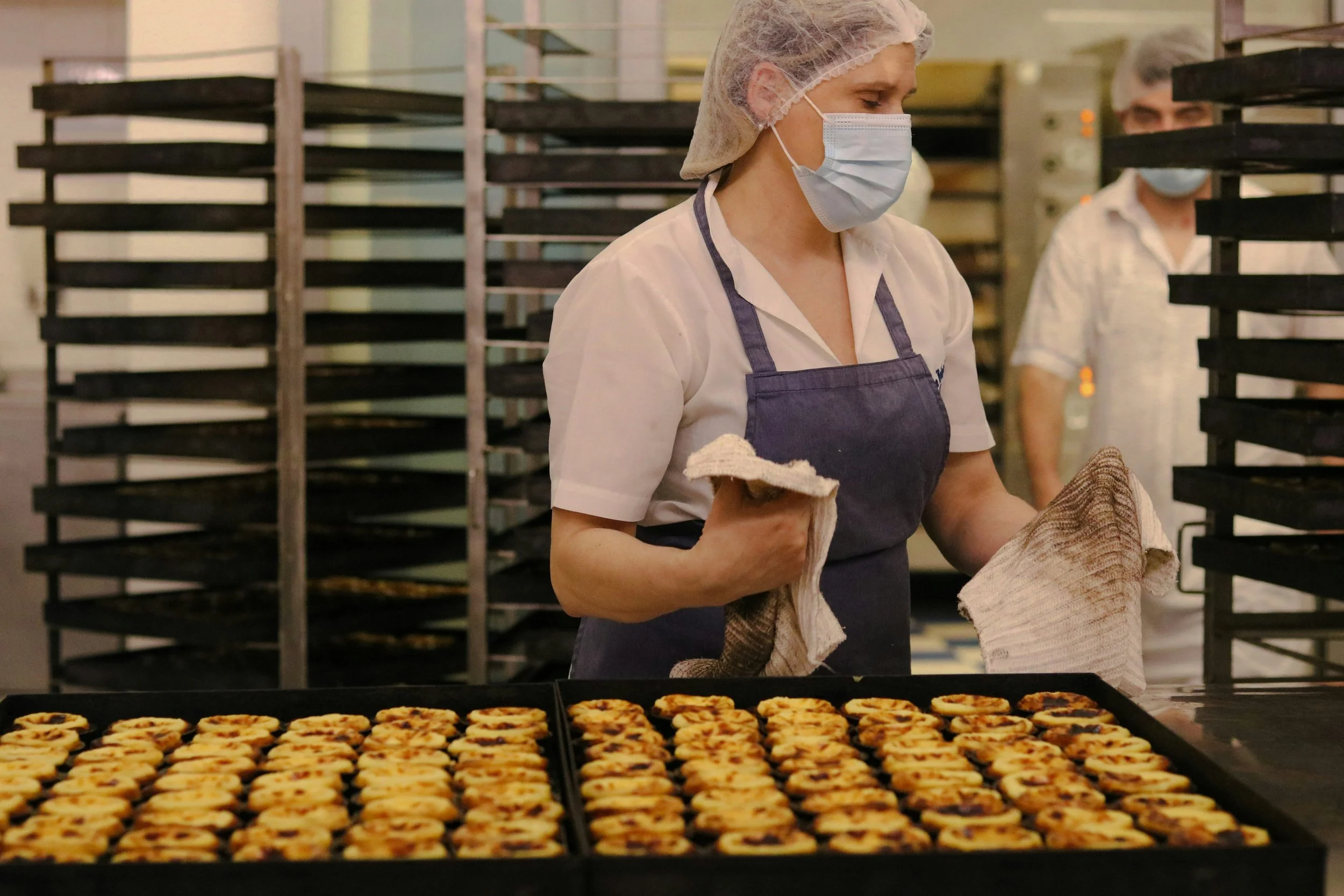
Traditional quality control: Processes and problems
The key stages for quality control include:
· Inspection of raw materials (pre-production to ensure quality and freshness)
· During mixing and preparation of dough: Analysis of stickiness, temperature, elasticity, and size and weight of individual portions
· During baking: Monitoring temperature and humidity
· During cooling: Prevention of moisture
· Inspection of finished product: Assessment of texture (crumb structure), colour, shape and weight
Traditionally, these processes have relied on visual inspections and physical checks of volume, weight, feel, taste and smell.
Even with experienced quality control personnel, there’s always the possibility of human error.
If tests reveal a batch is off spec, it must be discarded and production is halted while the issue is rectified, disrupting the schedule.
Delays result in waste and risk negatively impact your profit margin.
There are also hidden problems associated with a hands-on approach; even the best employees can’t detect irregularities in cell structure or changes in protein content.
A loaf may look and taste good, but subtle issues can lead to an unsatisfactory mouthfeel or unacceptably short shelf life.
Lab testing identifies these anomalies, but it slows down the process.
By the time results are received multiple batches may be affected, leading to further delays and additional costs.
Consistent baking quality with AI tools and machine learning applications
Digital imaging systems such as C-Cell evaluate baking quality from high-resolution colour images.
Analysis covers over 50 standard parameters, including product dimensions, cell diameter, colour and wall thickness.
This allows integrated machine learning models to assess essential data – for example, dough temperature, humidity levels, and mixing time – contributing to a reliable and proactive approach to managing baking quality.
Potential issues are highlighted before they become visible problems. Temperature, humidity levels and cell structure are rapidly evaluated.
Changes in cell structure can be detected, suggesting variations in yeast activity, while colour variations could indicate incorrect oven settings.
In short, machine learning models predict the likelihood of an off-spec batch.
Adjustments can be quickly implemented in real time, rather than waiting until final inspection of the finished product.
This maintains consistent quality and prevents costly wastage and downtime.
Integrating prediction models with imaging tools and sensor equipment
Some bakeries already have a partial solution in place with specialist tools like high-resolution cameras and x-ray scanners.
These measure essential elements such as humidity and temperature.
Scanners provide detailed crumb analysis (cell structure evaluation of the soft interior of a baked product).
This includes cell size, uniformity and density – all good indicators of overall product quality.
ML programmes analyse this data to reveal vital information such as consistency shortfalls, anomalies and defects. For example, variations in flour protein may be suggested by changes in dough elasticity and changes in crumb density.
Implementing AI and machine learning
ML models need accurate data to function correctly.
Some bakeries may lack the detailed records necessary for this. Where possible, companies should review past issues with baking quality, as well as present ones.
This will highlight problem areas - for example, issues with dough consistency, flavour or taste.
Integrating older equipment with the latest systems may also present problems with compatibility or handling large amounts of data.
In addition, quality control personnel may be concerned about job losses, but it’s important to remember that AI systems are support tools that enhance existing processes rather than replace them.
The C-Cell Baking Analyser System solves many of these concerns.
The system is cost-effective and easy to use.
A product sample is placed in the analyser’s drawer, and the machine produces a high-quality image. This provides a detailed analysis using pre-programmed parameters.
ML models learn over time, so reliable quality control is constantly maintained.
Necessary adjustments during the baking process can be swiftly implemented, minimising the likelihood of off-spec batches, reduces wastage and improves profit margins.
Discover the benefits of reliable, predictive quality control with the C-Cell Baking Analysis System.