
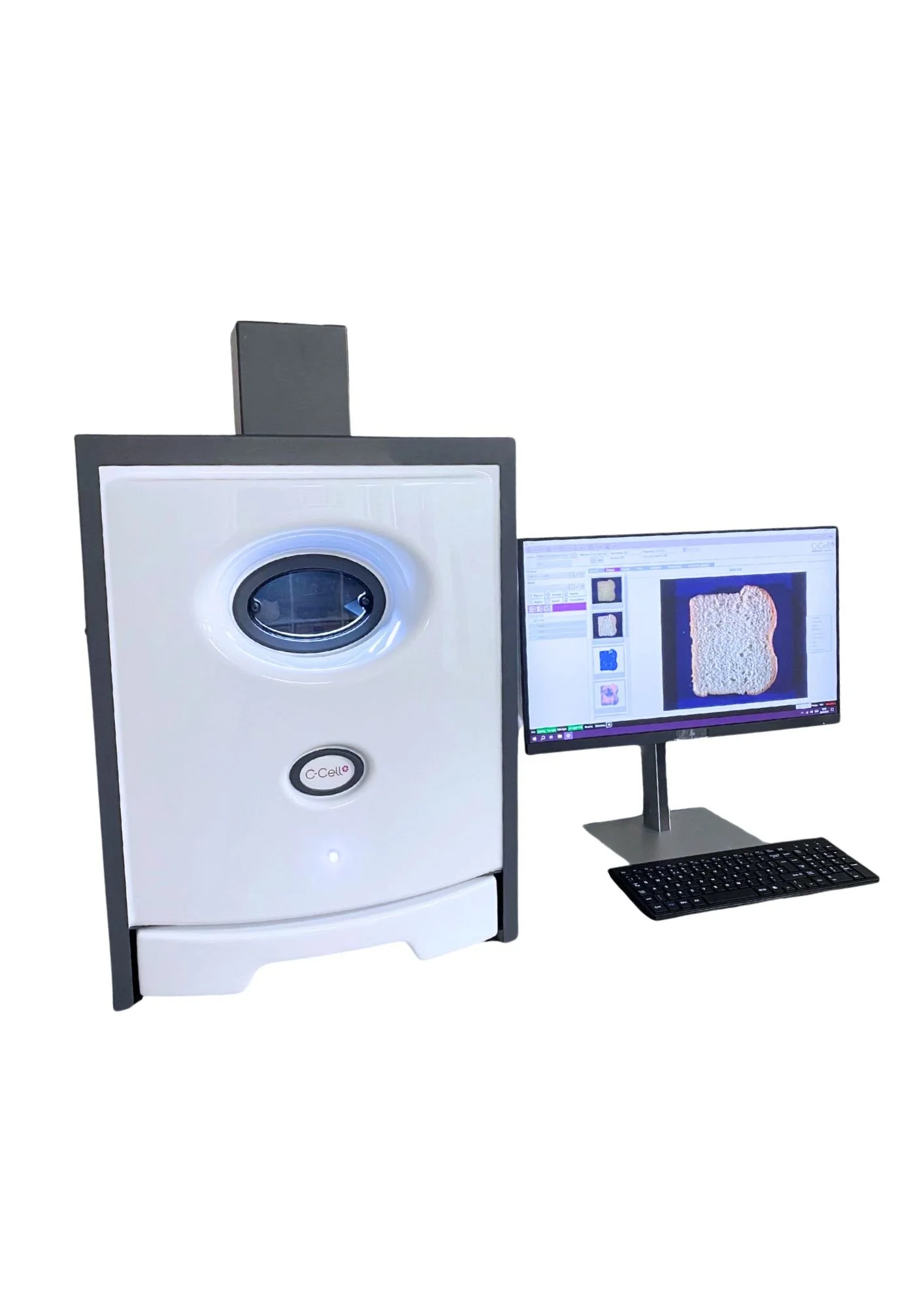
Baking analytics have the capacity to mitigate risk, streamline production, reduce waste, and yield higher margins. Having the right tools in your business not only captures data, but analyses it in a way that creates competitive advantage in the baking industry.
Knowing how to take baking data and turn it into practical savings of time and cost – while still making high-quality products that enhance your reputation – is integral to remaining competitive in today's marketplace.
The financial cost of inconsistencies and defects in baking
Inconsistencies in ingredient quality dramatically change the way dough forms and, in turn, the quality of the end product. Quality experts have stated that even a 1-2% improvement in product analysis can lead to big improvements in end-product quality.
With global disruptions to supply chains, climate impacts on grain quality, and incorporating alternative ingredients now a necessary part of production, reducing inconsistencies and defects in baking is an increasing challenge.
Without a system to measure quality of the ingredients, inconsistencies can lead to defects, resulting in an inferior product, wastage, and lost revenue. Baking analytics give your business real-time data on the quality of ingredients and how that will affect your end product. This is invaluable, giving your bakers fast access to informed decision-making that can save your business from costly defects.
Direct and indirect impacts of inconsistencies and defects in baking
The immediate financial cost of wasted product is not the only cost of inconsistencies in baking. Without market-leading baking analytics, a whole bake can be lost, affecting your company's ability to meet supply commitments and potentially putting your business at risk of not complying with environmental and waste regulations.
Additionally, if defects are not caught before being shipped, customer satisfaction and business reputation can be significantly damaged. In short, one bad bake can have financial impacts long after its production.
Among the potential impacts of inconsistencies on your company's financial viability are:
- Financial cost of ingredients
- Production costs including employee hours, electricity and other utility costs
- Cost per unit of food wastage commercial collection (or cost of fines for improper disposal of food waste)
- Reputation damage measured by considering the flow-on cost of lost contracts through inconsistencies and defects
By contrast, investing in a reliable system for baking analytics like C-Cell enables you to utilise your existing strengths, capture the high quality your reputation has been built on in baking data that benchmarks every subsequent bake. Likewise, ingredients can be analysed and modifications in production can be made to achieve quality results even when there are variables within ingredients.
How to calculate ROI on analytic tools
Calculating ROI on analytic tools involves both tangible and intangible (though still financially significant) considerations. Traditional ROI is measured as:
ROI = (Net Profit / Total Investment) x 100
ROI on analytic tools can be measured as:
Analytic Tools ROI = (Net Benefit from Baking Analytics / Cost of Baking Analytics) x 100
For your business, this means:
- Net benefit: total measurable value of using baking analytics including risk mitigation (reputation damage, and reduced wastage) and competitive advantage (more efficient production, quality consistency, elevated customer satisfaction, increased reputation, growth of market share and increased revenue)
- Cost of baking analytics: the capital cost of a baking analyser and training. With C-Cell from Calibre Control, you have a quality analyser that's intuitive to use, and can store and benchmark the existing expertise in your business
Success stories from early adopters
Early adopters of C-Cell in Europe saw the benefits of identifying and quantifying the effects of their ingredients for research and customer experience. With increased disruptions to global supply chains and climate-impacted grains, those benefits are now more valuable than ever.
As C-Cell has continued to adapt to market needs and technology advances, analysis of crumb colour, inclusions, and packaging measurements yields benefits for businesses using baking data to drive decision making.
How Calibre Control C-Cell can help
Contact Calibre Control today to see how C-Cell Baking Analyser can turn your baking data into competitive advantage.