
Double-click to edit...
We know that climate change is causing extreme weather conditions.
These directly impact the baking industry because wheat quality is affected by erratic rainfall patterns, temperature fluctuations, and unforeseen weather events.
Enzyme activity, protein structure, and starch composition are impacted, and maintaining a consistently high-quality product is an ongoing challenge.
However, contemporary baking trends allow bakers to develop new systems of climate-resilient baking by adapting to variations in raw materials.
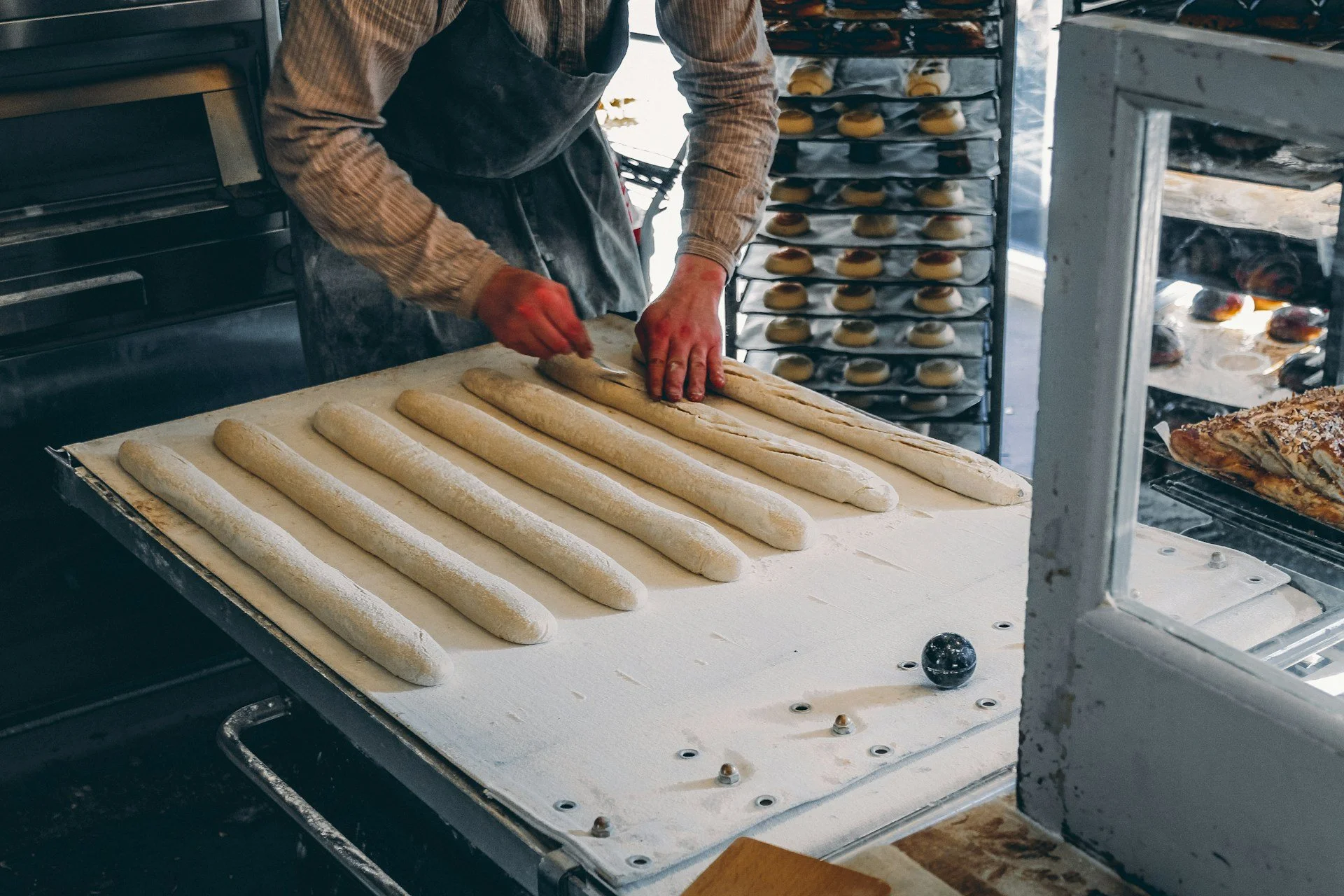
Effects of climate on wheat quality, starch and enzymes
High temperatures change the balance of wheat flour.
Protein concentration increases, but starch concentration reduces. Gluten quality may also be damaged, and dough elasticity and strength suffer as a result.
Excessive heat, high CO2 levels and low rainfall also lead to variations in mineral content and grain composition.
This impacts the efficiency of the milling process and flour behaviour in dough making and baking.
As a result, yield, texture, volume, freshness and overall quality all suffer.
Without methods to overcome these variations, bakers will struggle to remain competitive as flour quality and behaviour constantly fluctuate.
Implications for the baking industry
Variability and unpredictable dough behaviour lead to off-spec batches and higher costs.
Automated bakeries rely on consistency and precision. Without it, dough tears, quality and loaf size vary, and machinery jams.
These issues arise when:
· Crumb structure and/or loaf volume become inconsistent, as fluctuating protein quality affects dough elasticity
· Variations in crumb softness and fermentation rates occur if enzyme activity is unstable
· Water absorption is governed by starch properties, and variations may lead to sticky dough
· Proofing times, oven spring, crumb structure and sliceability may vary
Automated processes leave no room for error. Inconsistencies require complex adjustments in dough preparation and baking machinery, which is time-consuming and costly.
The C-Cell baking analyser provides fast and accurate real-time data – essential to ensure consistent quality, reduce waste and minimise production downtime.
Adapting to climate-resilient baking
Flexible formulation and blending, together with cutting-edge process strategies, allow bakeries to effectively manage the impact of climate change.
Flour blending
By combining different types of wheat, starch and flours, bakers improve consistency, nutrition, texture and flavour.
Wheat from different areas or even different years can be used, and ingredients such as enzymes or gluten can be easily adjusted.
This helps to balance ingredients to improve dough strength and handling. The texture of the finished product is also improved.
Flexible formulation and process adjustment
A tool like the C-Cell baking analyser quickly provides a detailed, digital analysis of a slice of bread by assessing crumb structure.
This enables bakers to adjust ingredients, quantities and processes in real-time.
Humidity, fermentation and baking times can all be assessed and adapted to compensate for fluctuations in flour composition and dough performance – a process not easily achieved by guesswork.
Protect against variability with real-time measurements
Disruptive weather patterns continue to increase, so fluctuations in raw materials aren’t about to disappear.
Precise real-time measurements are vital to ensure climate resilience.
Digital imaging technologies are at the forefront of current baking trends.
By analysing crumb microstructure, flour variability is quickly identified, allowing swift adjustments in formulation or production processes.
C-Cell baking analyser provides essential benefits, including:
· Rapid identification of changes in dough behaviour, leading to fast adjustments
· Adjustments are determined by accurate, up-to-date measurements of automated settings and formulation
· Precise analysis of crumb structure and consistency
Digital quality control systems can seamlessly link to C-Cell baking data.
This enables real-time adjustments throughout the baking process.
Optimise formulation and process with microstructure and measurement analysis
As climate change progresses, so too will wheat variability.
Bakers must turn to new baking trends to devise different ingredient combinations and production processes.
The C-Cell baking analyser ensures this isn’t a daunting prospect because it’s a digital imaging system that provides an objective evaluation of baked products.
The data provided by microscopic analysis of crumb structure allows bakers to maintain the texture, taste and appearance of popular products, even when formulations and ingredients change.
As such, it’s an invaluable tool for product development and a precise and effective method to assess recipe reformulation.
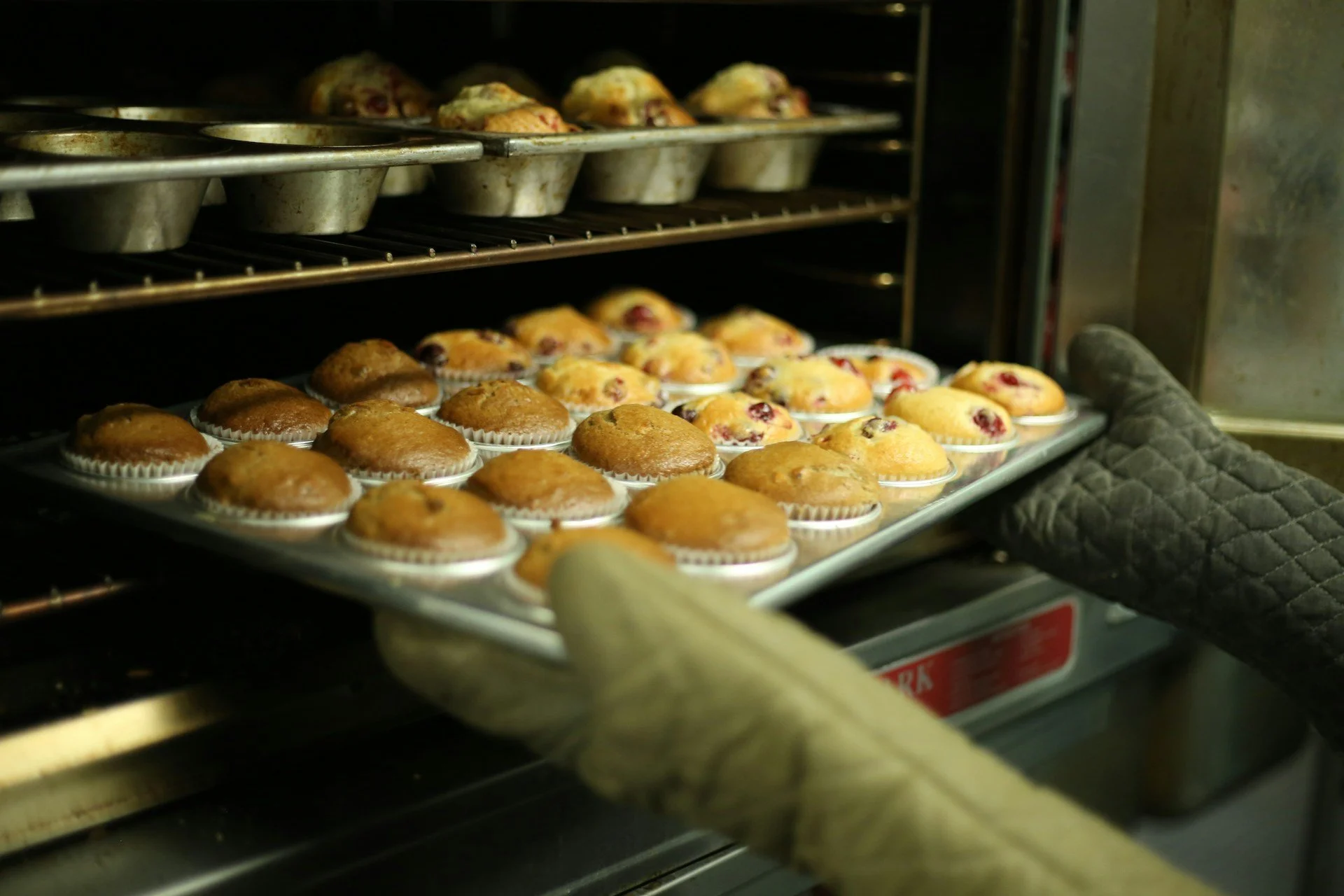
Resilient supply chains to reduce climate variability
Collaboration across the whole supply chain is essential to maintain consistency and improve traceability.
The C-Cell baking analyser allows farmers, millers and bakers to share data and measurement methods regarding loaf volume, dough structure and dough performance.
Discover how C-Cell digital technology helps bakeries achieve climate - change resilience without disrupting the production process.